
How learning every position on the field prepared me to take on every role off of it
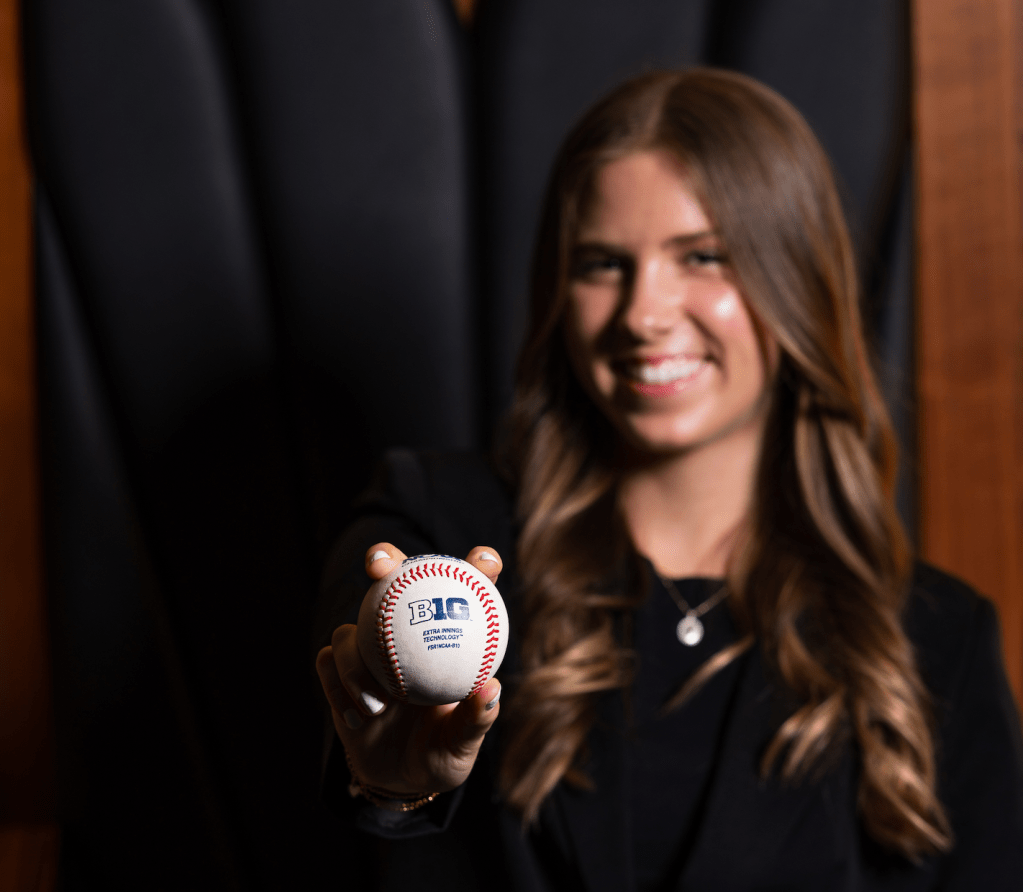
Take it from a washed-up high school softball player, being versatile is underrated.
I started playing softball around age 10, which, in the travel ball world, is considered late. Most of the girls I played with had already been in hitting lessons and traveling across the country by the time they were 8. Meanwhile, I was just learning how to throw. So when I finally joined a team, I played wherever I was needed. Outfield, infield, catcher, you name it. Not because I asked to, but because I had to. Coaches told me where to go, and I went.
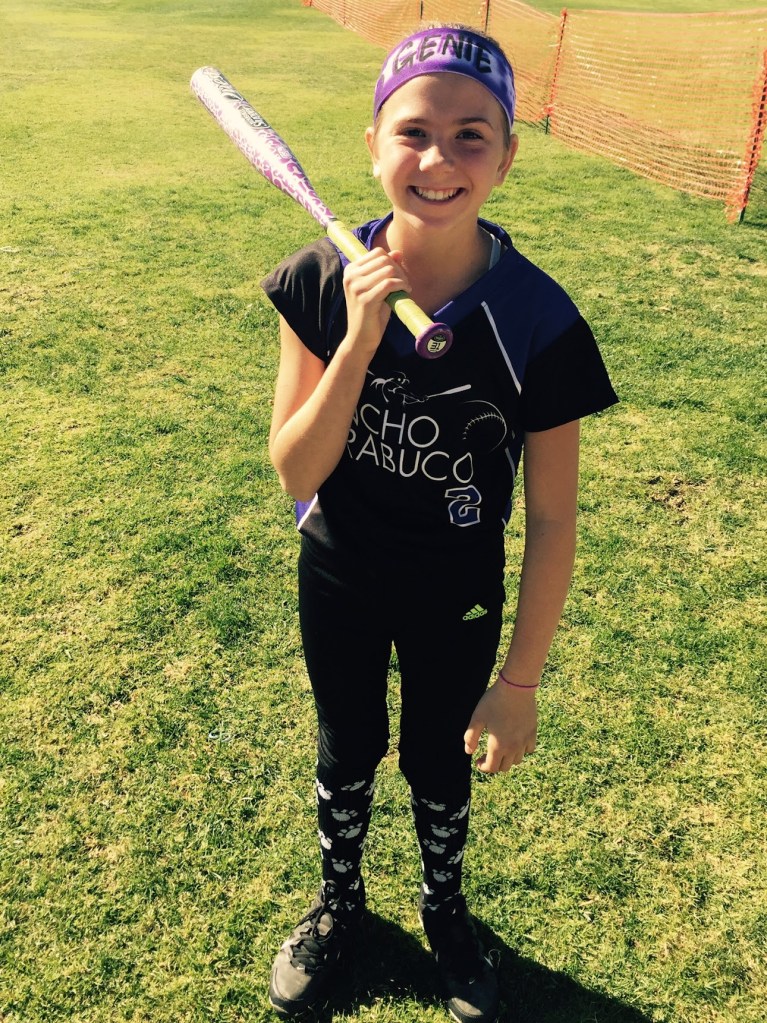
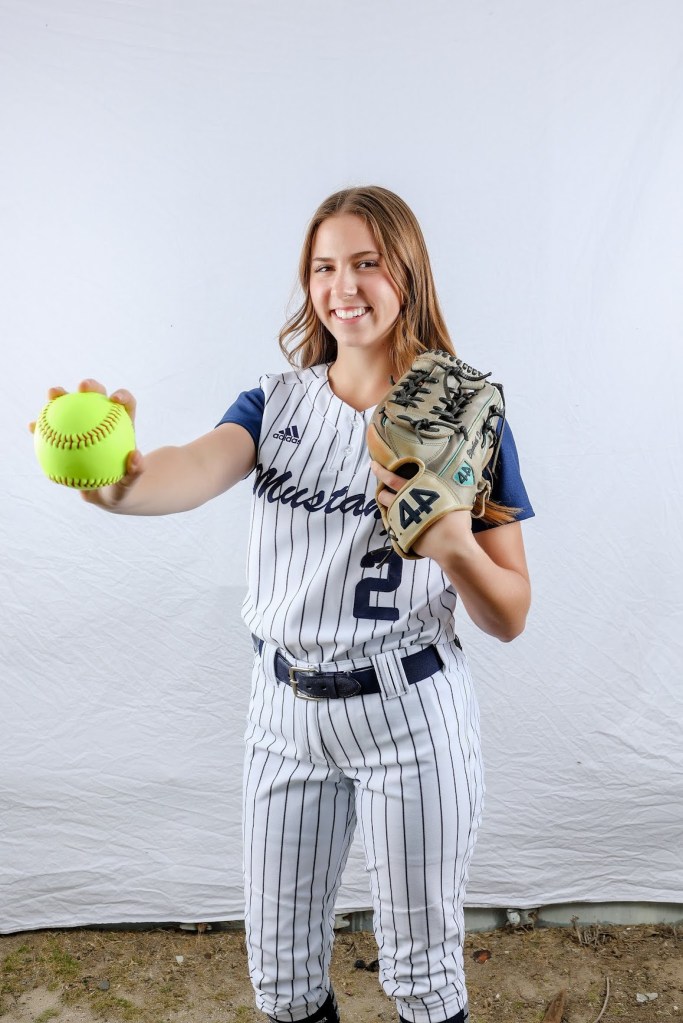
Turns out, that built something more valuable than a perfect batting average. It built adaptability.
I wasn’t the best player on the field, but I was fast, taller than most, and scrappy. That combination made me useful just about anywhere. Over time, I built strength at the plate and sharpened my field awareness. My value wasn’t in being the best at one thing. It was in being reliable at many.
That didn’t always feel like a strength. For a while, I felt insecure about not having a go-to position. When people asked where I played, I’d rattle off a list: I catch, I rotate across the middle infield, play third, left and right field, and sometimes center. It felt like I was grasping for credibility. But as I got older, I realized that my long-winded answer wasn’t a weakness. It was proof of my range. My coaches trusted me in multiple spots. I had built a reputation not for fitting into one box, but for showing up wherever I was needed and getting the job done.
That shift in mindset took time. It’s hard not to compare yourself as a teenage girl, especially when others are getting recruited or winning awards. But I began to take pride in being a utility player. At least I wasn’t warming the bench. I was putting in extra reps, arriving early for catching drills, staying late to hit in the cage, and constantly learning more than one version of the game.
Then came the injuries. My playing days ended before I was ready, but the work ethic stuck. The utility mindset, the ability to adapt, step up, and find value wherever you are placed, carried me through the transition from athlete to aspiring professional.
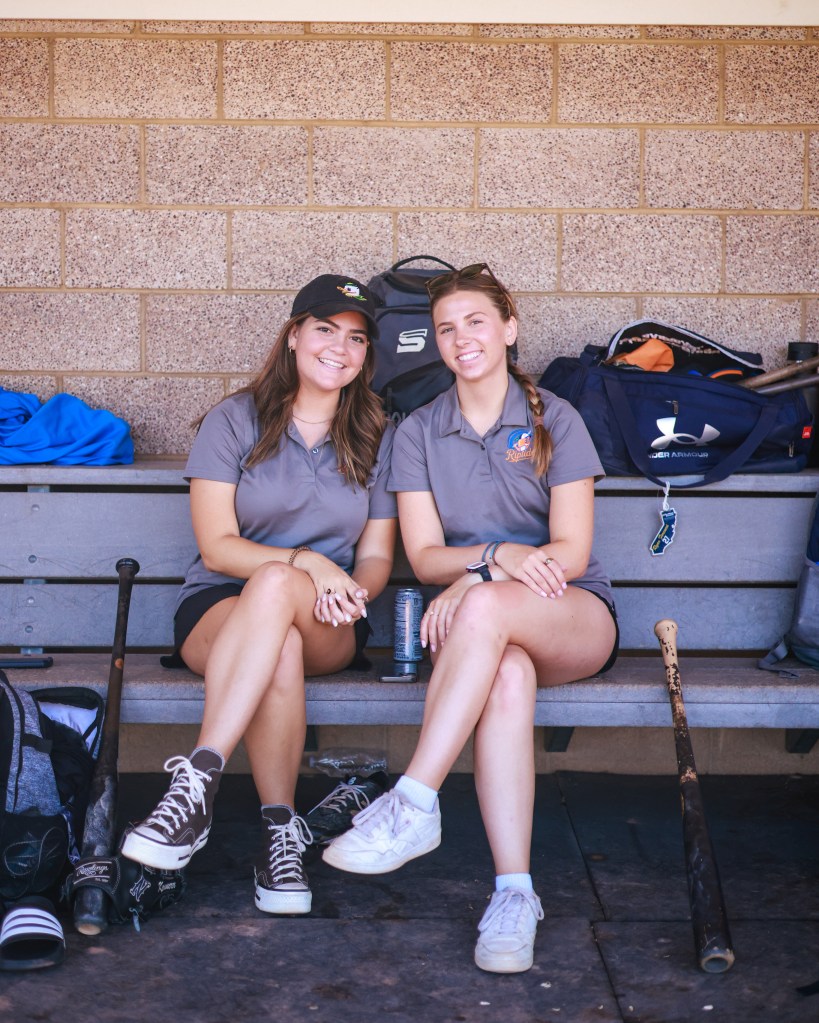
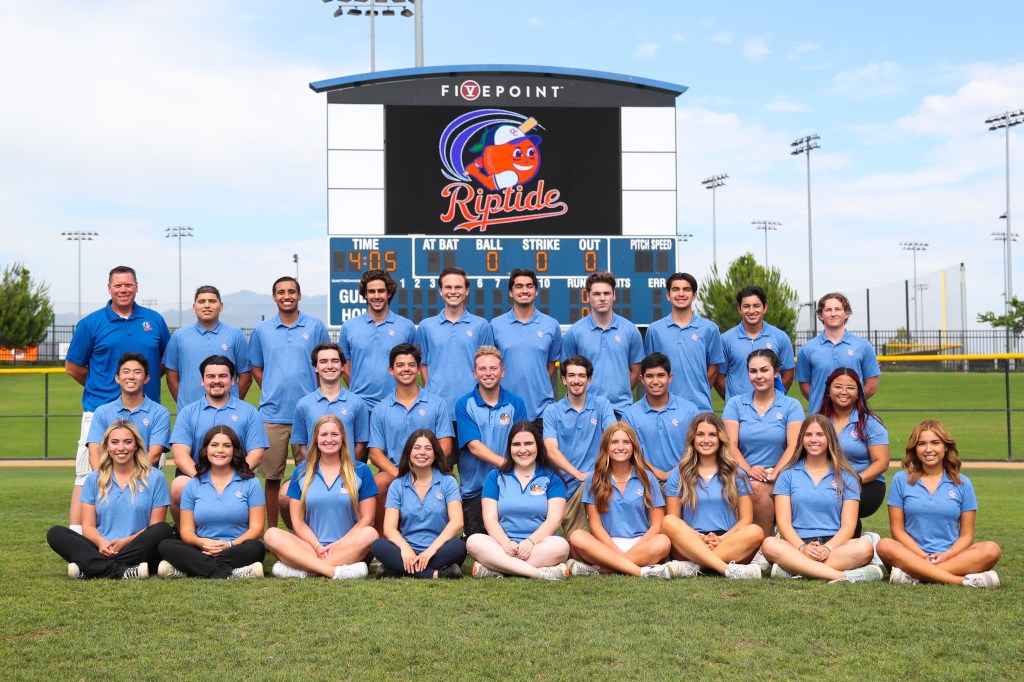
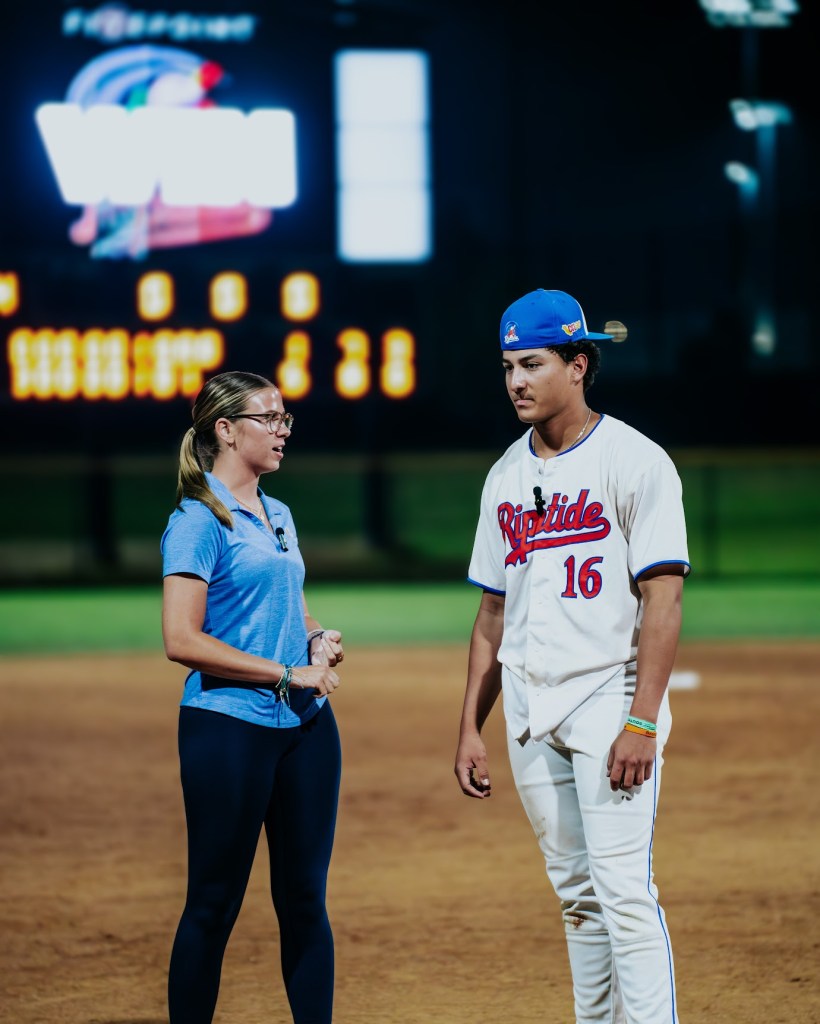
That same drive led me to join Oregon’s campus radio KWVA, DuckTV Sports, Oregon Women in Sports Communication, Oregon Accelerator, the University of Oregon athletic department, and the Orange County Riptide. I didn’t have a clear career path. I just knew I wanted to stay around sports. So I tried everything.
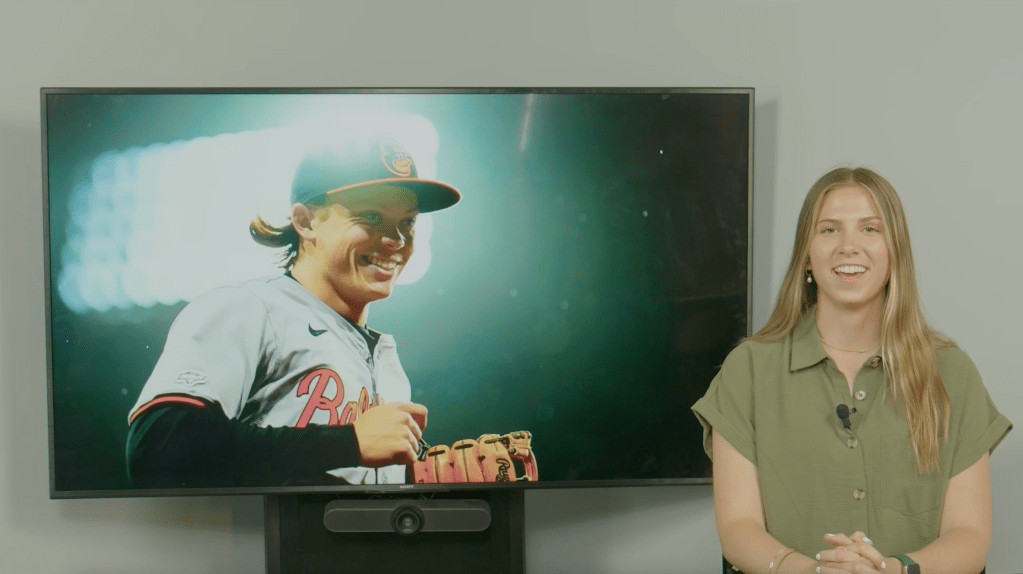
At first, it was out of uncertainty. But looking back, I realize it was instinct. My athlete mindset had trained me to jump in, fill a gap, learn fast, and hustle harder. That mindset has shaped my work in media, marketing, operations and public relations. Whether it’s planning a gameday script, producing a highlight reel, managing a student-athlete’s NIL story, or running an on-field activation, I’ve embraced every opportunity. Not because I already knew how to do it, but because I was willing to learn.
Being a utility player taught me how to show up, pivot, and perform, even in unfamiliar territory. And if there’s one thing I’ve learned since hanging up my cleats, it’s that that skill set is just as valuable off the field as it ever was on it.

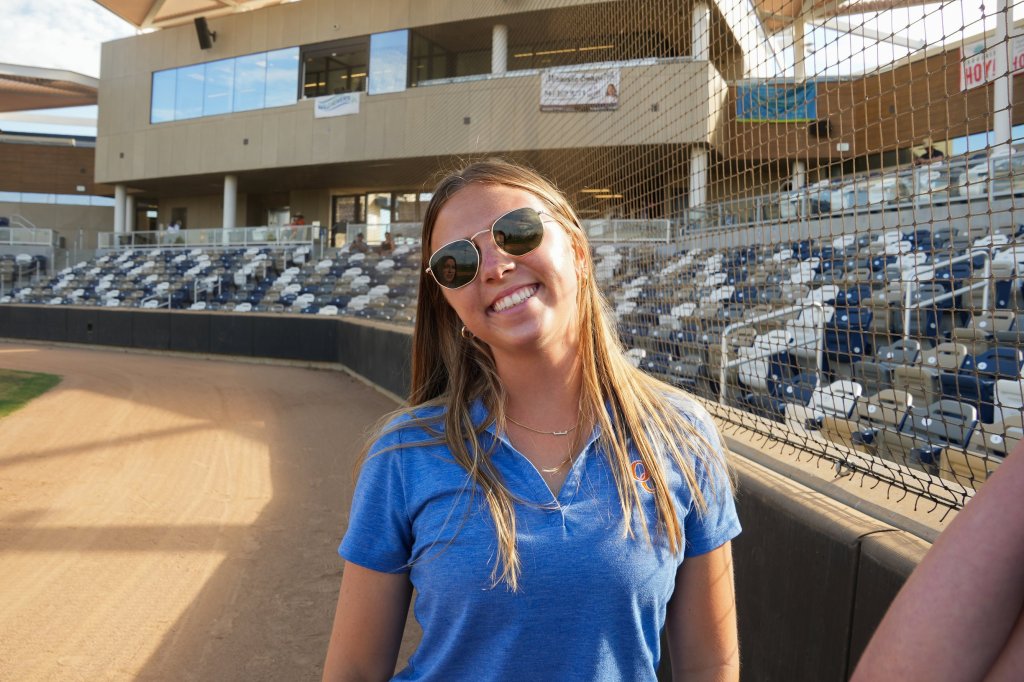





 Elizabeth Dunning